NEPAL’S AAMPANI WATERFALL A PREMIER ECOTOURISM DESTINATION
AAMPANI WATERFALL
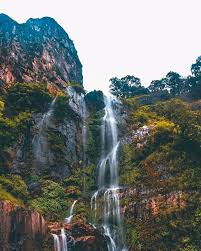
Nepal’s Aampani Waterfall a Premier Ecotourism Destination

Nepal’s Aampani Waterfall in Kailali has quickly become the ecotourism hub, intriguing tourists with its enchanting natural beauty, peace and sustainable travel. Being nestled in the midst of the Bargada Community Forest, it’s a hidden treasure for people who enjoy a real authentic experience with nature, not forgetting the local community that are part of a sustainable ecotourism project. And now, with the rise in its recognition and elevation, the Aampani Waterfall is transforming mini-outings and establishing Kailali as a potential tourist hub for the Nepali eco-tourism market.
At the base of the Chure Hills – about seven kilometers north of Lamki Bazaar in Kathmandu District – the pada has quickly turned into an attractive place for local tourists who are increasingly eager to enjoy the beauty of the Himalayan coast. Located in the pristine Bargada Community Forest of Mohanyal Rural Municipality-7, the waterfall whose popularity has increased in the recent years after it was systematically developed and brought to the attention of tourism authorities.
A place already known to be picturesque, Aampani Waterfall had long been a tranquil haven for locals and visitors from nearby districts who came to escape the sweltering summer heat. But the area gained even more attention during the coronavirus pandemic, at a time when travel was restricted. This influx of visitors saw the natural draw and easy accessibility of the location, and it quickly became popular with city folk seeking a peaceful, yet boulevard-free refuge away from the hustle and bustle.
The falls is nowadays a center of ecotourism development in the area. The Sudurpaschim Province Government also provided Rs 4 million to bolster the promotion project of Aampani Waterfall. Some of the cash has been invested in the infrastructure and facilities around the waterfall to help visitors experience its splendour in a sustainable and responsible way. The program does not only support local tourism, but also serves to protect the natural environment, and Aampani Waterfall is an excellent example of this, where nature conservation meets tourism.
The motivation for the site was also a reaction to the increased popularity of ecotourism; the practice of tourism concentrated on nature-based travel that has a purpose to be in favor of environment having always become the effect on local economy. This waterfall, known as Aampani Falls is situated in a serene place of ambient accessibility had more of a scenic beauty with a low water level – quite suitable for making a splash if you want to get closer Nature without going too far from the major motorways. It is close enough to the highway that it’s an easy stop on the way to other places, which only adds to its appeal.
One of the focal points of the development project is to make the waterfall a base of sustainable ecotourism. The space around the waterfall has an important biodiversity and a sustainable approach concerning the tourism activities are adopted in order not to damage the ecosystem. Now, visitors are able to appreciate the spectacular waterfall and natural surroundings, such as foliage and the landscape there, without worry for overcrowding or damaging the environment. Efforts to limit the negative effects of tourism, garbage management and keep the aesthetic beauty of the waterfall and the environment are ongoing to make sure the place stays preserved.
It was also intended as an economic boost for the surrounding township. The community forest fund benefitting from the operation of the waterfall is further reinvested into the community fund which is instrumental for other infrastructural development besides conservation. The money is also used to open up jobs for locals, giving them sustained employment in tourism and hospitality. Engaging the community in the running and development of the area, Aampani Waterfall is a role model in community-based tourism.
With this strategy, the project leaves visitors with an experience like no other, and instils a certain sense of ownership and pride within the community. The waterfall’s popularity as a tourist attraction has motivated other neighboring regions to follow suit with ecotourism enterprises that positively affect the whole region. Development of Aampani Waterfall further compliments its sustainability to help meet the larger agenda of the government’s tourism program, which aims to promote the natural beauty of Nepal, and also wants to ensure that tourist culture isn’t wanting at the expense of local environments and culture.
The waterfall is now more than just a sight to behold, it now represents the symbiotic relationship that conservation of nature, tourism and local development shares in common, over a period of time. A variety of visitors come here, from those who just want a quiet day out to men interested in the surrounding forest and its animals. The stunning waterfall, combined with the ease of access and excellent facilities, also attracts visitors of all inclinations.
The sustained success of Aampani Waterfall remains a testament to the efficacy of this, what has become, a standard for ecotourism leading to enduring benefits. The need to keep the site’s balance right on the knife edge between tourism and conservation is, if anything, more pressing as ever greater numbers flock to the site. By properly handling tourism at Aampani we will make sure that the coming generations get to experience the beauty of the waterfall, while at the same time enabling the local community and ecology.
The local residents are happy with the progress that has been made with Aampani Waterfall as they have now new job opportunities and the place is developing. For lots of others, the waterfall has served as a bastion of hope, a “short-term travel destination” that’s easily accessible but awe-inducing all the same. A mix of the organic beauty of the waterfall and the community’s dedication to the future ensures that Aampani will be a premier tourist destination for generations.
Aampani Waterfall in Kailali of Nepal is emerging as hot cake destination for eco-tourism enthusiasts across the globe as it offers a rare combination of nature’s beauty, sustainable traveling and community-based development. This was my hidden gem, and now it is attracting travellers that want that authentic experience surrounded with tranquillity and some wonderful views to boot!
In summary, The Aampani Waterfall’s transformation into a tourist attraction is an example of what can be achieved through sustainable development and how ecotourism can influence a local community. The ongoing development of the waterfall site and surrounding region help illustrate the promise of other parts of Nepal to harness local natural resources to stimulate the local economy and at the same time conserve nature. Aampani Waterfall is a perfect example of Nepal’s natural beauty and how it’s resilient, and its legacy will go on to inspire tourists and locals.