BOUDDHANATH STUPA
KATHMANDU
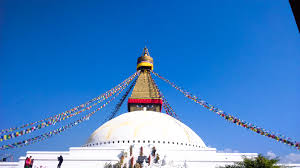
Bouddhanath Stupa
Bouddhanath Stupa (also known as Boudha Stupa) is one of the largest and most significant Buddhist stupas in the world, located in Kathmandu, Nepal. It stands as a symbol of peace, enlightenment, and unity among diverse cultures and communities.
Historical and Religious Significance
Bouddhanath is believed to have been built in the 5th century during the Licchavi period. According to legend, it was constructed by an old woman who asked the king for land to build a stupa and was granted permission as much as a buffalo skin could cover. She cleverly cut the skin into thin strips and encircled a large area. The stupa is said to enshrine the remains of Kassapa Buddha, an earlier Buddha before Gautama Buddha.
The stupa is an important pilgrimage site for Tibetan Buddhists. After the 1959 Chinese invasion of Tibet, many Tibetan refugees settled around Bouddhanath, turning the area into a center of Tibetan culture in Nepal.
Architectural Features
The stupa has a massive mandala base and a large white dome symbolizing the earth. Atop the dome stands a square tower (harmika) painted with the all-seeing eyes of the Buddha facing all four directions, symbolizing awareness and wisdom. Thirteen steps lead to a gilded spire, representing the path to enlightenment. The stupa is surrounded by prayer wheels, monasteries (gompas), and Tibetan-style houses.
Spiritual Atmosphere and Activities
Bouddhanath is not only a monument but also a living spiritual center. Pilgrims and devotees walk clockwise around the stupa (a practice called kora), spinning prayer wheels and chanting mantras. Every morning and evening, the site becomes vibrant with the sound of prayers, spinning wheels, incense, and butter lamps.
UNESCO World Heritage Site
Recognized as a UNESCO World Heritage Site in 1979, Bouddhanath is protected for its cultural, religious, and architectural importance. It remains a sacred site for Buddhists and a popular destination for visitors seeking spiritual energy and cultural insight.
Bouddhanath Stupa stands not only as a marvel of ancient architecture but also as a powerful symbol of faith, resilience, and harmony.